Spanish Sangria Recipe
How to Make Authentic Sangria
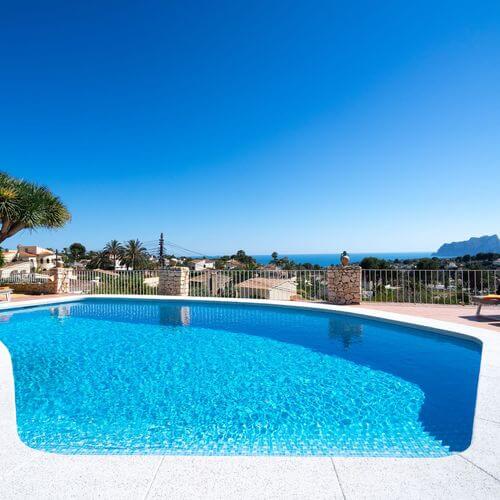
A large glass jug filled with red wine, fresh fruit and plenty of ice. For many holidaymakers, sangria is one of those drinks that instantly brings back memories of sunny days in Spain. And somehow, a refreshing glass of sangria always tastes even better on a terrace overlooking the Mediterranean in Moraira! But what exactly is traditional Spanish sangria? Which wine should you use, and how can you make a delicious jug at home?
We’ll share the story behind this famous Spanish drink, our favourite sangria recipe and a few local tips from Moraira.
What Is Spanish Sangria?
Sangria is a traditional Spanish wine-based drink, usually made with red wine, fresh fruit and sometimes a small amount of brandy or liqueur. Classic red sangria often contains oranges, lemons, apples and other seasonal fruit. Depending on the recipe, orange juice, sugar, lemonade or sparkling water may also be added. The result is a refreshing, fruity wine cocktail that’s particularly popular during the warmer months. One of the lovely things about sangria is that it’s usually served in a large jug to share. Perfect for a leisurely lunch, a summer barbecue or a relaxed evening with friends.
Where Does Sangria Come From?
Sangria has a long history, although its exact origins aren’t entirely clear. People have been mixing wine with fruit, herbs and other ingredients for centuries, both in Spain and elsewhere. The name sangria is generally associated with the Spanish word sangre, meaning blood, a reference to the deep red colour of traditional red sangria. Over time, sangria became one of Spain’s most internationally recognised drinks.
Interestingly, although sangria is particularly popular with visitors, many Spaniards prefer a simpler drink on an ordinary summer afternoon: Tinto de Verano. More about that later.
Traditional Spanish Sangria Recipe
Making good sangria at home is surprisingly easy. The secret is to choose a pleasant, fruity red wine, use fresh fruit and keep the flavours nicely balanced. This is our refreshing house recipe, making approximately six glasses.
Ingredients
- 1 bottle of young red wine (750 ml)
- 1 orange
- 1 lemon
- 1 apple
- 1 peach or nectarine
- 100 ml freshly squeezed orange juice
- 50 ml brandy (optional)
- 150–250 ml chilled sparkling water or lemonade
- 1–2 tablespoons of sugar, if needed
- Plenty of ice cubes
- Optional: 1 cinnamon stick
How to Make Spanish Sangria
- Prepare the fruit | Wash the orange, lemon, apple and peach, then cut them into small pieces or thin slices
- Pour the wine into a large jug | Choose a young, fruity Spanish red wine rather than a heavy, oak-aged variety
- Add the fresh fruit | Place the prepared fruit in the jug with the wine
- Add the orange juice | Pour in the fresh orange juice and, if you like, add the brandy and a cinnamon stick
- Leave to chill | Cover the jug and refrigerate for approximately two to four hours, allowing the fruit flavours to develop
- Taste before adding sugar | Ripe fruit and orange juice often provide enough natural sweetness
- Finish just before serving | Add the chilled sparkling water or lemonade and serve with plenty of ice
Our tip: prepare your sangria a few hours in advance, but add the ice and sparkling ingredients just before serving. And don’t be tempted to add too much sugar. A good sangria should taste fresh and fruity rather than overly sweet.
Which Red Wine Is Best for Sangria?
You certainly don’t need an expensive bottle of wine to make delicious sangria. In fact, a young, easy-drinking Spanish red wine is often a better choice than a powerful, heavily aged variety. A fruity Tempranillo or Garnacha usually works very well. Try to avoid wines with strong oak flavours or heavy tannins, as these can overpower the freshness of the fruit. A good, affordable Spanish red wine is all you need.
Different Types of Sangria in Spain
Although red sangria is the best-known version, there are several delicious variations worth discovering.
Sangria Tinto | Classic Red Sangria
The traditional favourite, made with red wine, citrus fruit and other fresh fruit. Its flavour is fruity and refreshing, sometimes with a hint of spice.
Sangria Blanca | White Wine Sangria
A lighter alternative made with white wine and fruit such as peaches, apples, lemons or grapes. Especially refreshing on a warm summer afternoon.
Sangria de Cava | Sparkling Sangria
This festive version uses Spanish cava instead of still wine. It’s a lovely option for celebrations or a special summer lunch.
Sangria Rosada | Rosé Sangria
Made with rosé wine and summer fruit such as strawberries, peaches and citrus. The result is colourful, refreshing and wonderfully summery.
Sangria or Tinto de Verano | What’s the Difference?
Many visitors think sangria is Spain’s most popular everyday summer drink. But in bars and restaurants around Moraira, you’ll also see plenty of people enjoying Tinto de Verano. The difference is quite simple.
Sangria is made with wine, fresh fruit and sometimes brandy or liqueur. It’s usually prepared in advance to allow the fruit flavours to develop.
Tinto de Verano is much simpler. It generally consists of red wine mixed with gaseosa or lemon soda, served over ice and sometimes garnished with lemon.
Because it contains fewer ingredients and usually no additional spirits, Tinto de Verano is often a lighter option. Both are delicious in their own way, but Tinto de Verano is certainly easier to prepare when you fancy a quick refreshing drink.
Where Can You Drink Sangria in Moraira?
During your holiday in Moraira, you’ll find sangria on the drinks menus of various bars, restaurants and terraces. It’s particularly popular during the warmer months, when a chilled jug of sangria is perfect for sharing with friends or family. Some establishments serve traditional red sangria, while others may offer white or rosé versions.
Our advice: ask whether the sangria is freshly prepared and whether it’s available by the glass or by the jug. And take your time to enjoy it.
A relaxed lunch on a sunny terrace, a few Spanish dishes to share and good company. Sometimes the simplest holiday moments are the most memorable. For more inspiration, explore our guide to food and drinks in Moraira.
What Food Goes Well with Sangria?
Sangria pairs beautifully with many Spanish dishes. Think olives, Manchego cheese, patatas bravas, grilled vegetables and freshly prepared tapas. It’s also a lovely drink to share during a summer barbecue.
We particularly enjoy combining sangria with a selection of tapas. Everyone chooses a few favourite dishes, and the table quickly fills with delicious things to share.
Read our guide to Spanish tapas for more inspiration.
Prefer a traditional Spanish lunch? Discover our recommendations for paella in Moraira.
Discover More Traditional Spanish Drinks
Sangria isn’t the only refreshing drink worth trying during your holiday in Spain. Another famous speciality is Agua de Valencia, a delicious cocktail made with fresh orange juice, cava, gin and vodka. And then there’s vermouth, which has an important place in Spanish food culture. During la hora del vermut, people traditionally meet before lunch for a drink and something small to eat. It’s these everyday traditions that make life in Spain so enjoyable.
Prefer something simpler than sangria? Try Tinto de Verano, one of Spain’s most popular summer drinks. Made with red wine, gaseosa or lemon-flavoured lemonade and plenty of ice, it’s ready to enjoy in just a couple of minutes.
Enjoy the Spanish Lifestyle in Moraira
A good glass of sangria isn’t really just about the ingredients. It’s about the moment: a leisurely lunch with friends, a warm summer evening or a relaxing afternoon on the terrace of your holiday villa.
At Moraira Holiday Homes, we’ve been helping guests enjoy holidays in Moraira and Benissa since 2004. Because we live locally and know our holiday properties personally, we’re always happy to share our favourite places, restaurants and local tips.
Dreaming of a relaxing holiday on the Costa Blanca? Explore our holiday villas in Moraira and Benissa and find your perfect place to stay.
Frequently Asked Questions About Spanish Sangria
What Are the Ingredients in Traditional Spanish Sangria?
Traditional red sangria usually contains red wine, fresh fruit such as oranges, lemons and apples, and sometimes brandy or another liqueur. Orange juice, sugar, sparkling water or lemonade may also be added, depending on the recipe.
How Do You Make Spanish Sangria?
Mix a fruity red wine with fresh fruit, a little orange juice and optional brandy. Leave it in the fridge for a few hours so the flavours can develop. Add ice and sparkling water or lemonade just before serving.
What Is the Best Wine for Sangria?
A young, fruity Spanish red wine such as Tempranillo or Garnacha is ideal. Avoid heavily oak-aged wines or those with strong tannins. There’s no need to use an expensive bottle.
How Long Should Sangria Sit Before Serving?
Ideally, refrigerate your homemade sangria for two to four hours before serving. This allows the fruit to release its flavours into the wine.
Can You Make Sangria the Day Before?
Yes, although we recommend making it just a few hours in advance for the freshest flavour. If preparing it the day before, keep it covered in the fridge. Citrus peel can sometimes add bitterness when left soaking for too long.
What Is the Difference Between Sangria and Tinto de Verano?
Sangria is made with wine, fruit and sometimes brandy or liqueur. Tinto de Verano is a simpler drink made from red wine and gaseosa or lemon soda, usually served with ice.
What Different Types of Sangria Are There?
The most popular varieties include Sangria Tinto with red wine, Sangria Blanca with white wine, Sangria Rosada with rosé and Sangria de Cava made with Spanish sparkling wine.
How Strong Is Spanish Sangria?
The alcohol content depends on the recipe. Sangria contains wine and may also include brandy or other spirits. Adding lemonade or sparkling water reduces its overall strength, but it remains an alcoholic drink.
Can You Make Sangria Without Alcohol?
Yes. Replace the red wine with alcohol-free wine or grape juice, then add fresh fruit and sparkling water. This creates a refreshing alcohol-free alternative.
Where Does the Name Sangria Come From?
The name is generally linked to the Spanish word sangre, meaning blood, referring to the deep red colour of traditional sangria.
Where Can You Drink Sangria in Moraira?
Various bars and restaurants in Moraira serve sangria, particularly during the summer season. Availability and recipes differ between establishments, so it’s worth checking the menu or asking the staff.
What Food Goes Best with Sangria?
Sangria is a great accompaniment to tapas, olives, Spanish cheese, patatas bravas, grilled vegetables and Mediterranean dishes. It’s also popular at barbecues and relaxed summer gatherings.