Things to Do in Calpe
Discover Calpe | The Peñón de Ifach, Beautiful Beaches and a Charming Old Town
A spectacular rock rising above the Mediterranean, golden sandy beaches, a traditional fishing harbour and even flamingos in the middle of town. Welcome to Calpe, one of the most interesting places to visit on the Costa Blanca! Just a short drive from Moraira, Calpe makes a wonderful day trip. Most visitors know Calpe for its famous Peñón de Ifach, the enormous limestone rock that dominates the coastline. But there’s much more to discover. Explore the colourful Old Town, enjoy fresh seafood by the harbour or take a walk around the saltwater lagoon where flamingos are often spotted. We live locally and love sharing the places that make this part of Spain so special.
Here are our favourite things to do in Calpe, together with a few practical tips for visiting from Moraira.
1. Peñón de Ifach | Calpe’s Famous Landmark
You can’t visit Calpe without noticing the impressive Peñón de Ifach, also known as Penyal d’Ifac in Valencian. This enormous limestone rock rises 332 metres above the Mediterranean Sea and is one of the most recognisable landmarks on the Costa Blanca. You can admire it from the beaches, harbour and surrounding coastline. But if you enjoy hiking, it’s also possible to climb towards the summit. The walking route begins at the entrance to the natural park. The first section follows a maintained path towards a tunnel through the rock. Beyond the tunnel, however, things become considerably more challenging. The route is steep, rocky and sometimes slippery, with exposed sections.
Important: access to the official hiking route requires a reservation. Visitor numbers are limited to protect the natural environment. The more demanding section beyond the tunnel is not suitable for inexperienced walkers or children.
Our tip: if you’re visiting during the summer, start early and take plenty of water. Even without reaching the summit, the views from the lower walking paths are beautiful.
Check the latest access arrangements through the official Valencian natural parks website.
2. Calpe’s Beautiful Beaches | Arenal-Bol and La Fossa
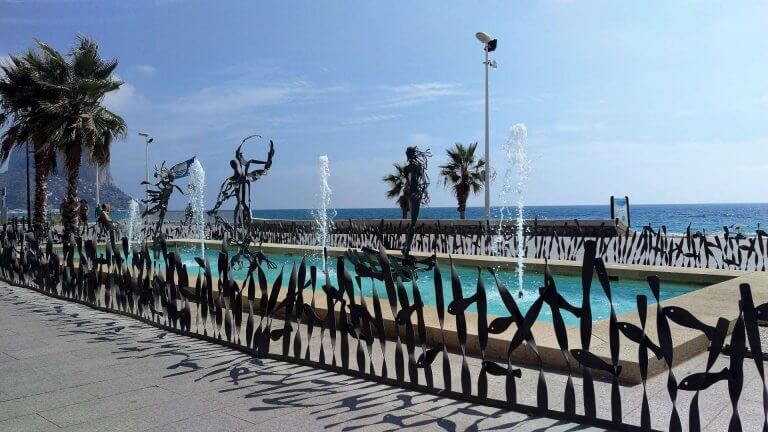
Calpe has two wonderful sandy beaches, both with attractive promenades and plenty of places to enjoy lunch or a drink. Although they’re close to one another, each has its own atmosphere.
Playa Arenal-Bol | Close to the Town Centre
Playa Arenal-Bol is a long sandy beach near central Calpe. The seafront promenade is lined with restaurants, cafés, ice-cream parlours and shops. It’s a lovely place to relax in the sunshine or enjoy a walk beside the Mediterranean. Its location also makes it easy to combine a beach visit with exploring the Old Town.
Playa de la Fossa | Spectacular Views of the Ifach
On the other side of the famous rock lies Playa de la Fossa, also known as Playa de Levante. This beach is particularly popular with families. You’ll find fine sand, an attractive promenade and a wonderful view of the Peñón de Ifach.
Our tip: choose one of the seafront terraces for a leisurely lunch. It’s hard to beat enjoying Spanish food with that spectacular rock in the background!
3. Calpe Old Town | Colourful Streets and Spanish Charm
Beyond the modern beachfront apartments, Calpe has a completely different side. The Old Town of Calpe, or Casco Antiguo, is filled with narrow streets, colourful houses, traditional buildings and small squares. We particularly enjoy wandering through the historic El Arrabal neighbourhood. Look out for Calle Puchalt, famous for its colourful steps, and the historic Torreó de la Peça, which forms part of the town’s old defensive structures. You’ll also find attractive murals and traditional restaurants tucked away in the streets.
Our personal tip: explore the Old Town towards the end of the afternoon.
The temperature is usually more comfortable, and it’s lovely to stay for a drink or dinner afterwards. During summer, Calpe also hosts seasonal markets and local events. Dates and locations vary, so check the current programme before visiting.
4. Calpe Fishing Harbour | Fresh Seafood and Traditional Spanish Life
One of the things we particularly like about Calpe is its traditional fishing harbour. At the foot of the Peñón de Ifach lies Puerto Pesquero, where fishing boats still bring their catches ashore. The town’s fishing heritage remains an important part of its identity. You may also hear about the Lonja de Calpe, the local fish auction where the day’s catch is sold. Around the harbour, you’ll discover a selection of seafood restaurants serving fresh fish, prawns and delicious Spanish rice dishes.
Our tip: plan a visit around lunchtime and enjoy a relaxed meal near the harbour.
If you’d like to see the fish auction, check the current visitor arrangements beforehand rather than assuming public access is always available.
5. Las Salinas | See Flamingos in Calpe
Did you know that you can sometimes spot flamingos right in the middle of Calpe? Las Salinas de Calpe is a saltwater lagoon surrounded by the modern town. Once connected with the local salt industry, it is now an important habitat for birds. The most famous visitors are the beautiful pink flamingos, which can often be seen feeding in the shallow water. It’s quite a remarkable sight, especially with apartment buildings and the impressive Ifach rock in the background! You can observe the lagoon from the surrounding paths and designated viewing areas.
Our tip: bring a camera or binoculars. Flamingo numbers vary throughout the year, but it’s always worth stopping to see which birds are around.
6. Baños de la Reina | Roman History Beside the Sea
Calpe also has some fascinating Roman remains. Baños de la Reina, meaning the Queen’s Baths, is an archaeological site beside the Mediterranean, near Arenal-Bol Beach. According to local legend, a Moorish queen once bathed here. The real history is even more interesting. Around 2,000 years ago, the area formed part of a Roman coastal settlement. You can still see rock-cut pools associated with keeping live fish, along with other archaeological remains. It’s a wonderful example of how much history is hidden along the Costa Blanca coastline.
Guided visits and access arrangements can change, so we’d recommend checking with Calpe Tourist Information before your visit.
7. Ricardo Bofill | Calpe’s Remarkable Architecture
Calpe isn’t only known for its beaches and natural beauty. The town is also home to several striking buildings designed by Spanish architect Ricardo Bofill. The most famous is La Muralla Roja, an extraordinary residential complex with red, pink and blue geometric walls. Located in the La Manzanera area, it has become internationally recognised for its unusual architecture. Other buildings designed by Bofill in Calpe include Xanadú and El Anfiteatro. They’re certainly worth knowing about if you’re interested in architecture or photography.
Please remember: La Muralla Roja is a private residential building, not a public tourist attraction. Respect the residents’ privacy and admire the architecture only from permitted public areas.
Read our separate blog about Ricardo Bofill’s architecture in Calpe.
More to Enjoy in Calpe | Restaurants, Cycling and Coastal Walks
If you’ve visited Calpe before, there are still plenty of reasons to return. Food lovers will find everything from traditional tapas and seafood restaurants to outstanding fine dining. Calpe has several restaurants recognised by the MICHELIN Guide.
Discover our guide to MICHELIN restaurants near Moraira and Calpe.
And if you enjoy walking beside the sea, the Paseo Ecológico along Benissa Costa is one of our favourite coastal routes, with wonderful views and small Mediterranean coves.
Discover the Paseo Ecológico walking route.
Visiting Calpe from Moraira | Getting There and Parking
Calpe is one of the easiest day trips from Moraira. The journey normally takes around 25 to 35 minutes by car, depending on traffic and where you’re heading. We particularly enjoy the coastal route through Benissa Costa. Along the way, you’ll pass attractive residential areas, beautiful sea views and several lovely coves.
Where Is the Best Place to Park in Calpe?
That depends on which part of Calpe you’d like to explore. For the Old Town, the car park at Plaza Mayor is a practical option. If you’re planning to visit the fishing harbour or spend the day at the beach, it’s usually more convenient to park closer to those areas. Calpe has both paid parking and spaces with seasonal restrictions.
Our tip: decide which attractions you’d most like to visit before choosing your car park. Calpe is more spread out than you might expect.
Our Favourite Way to Spend a Day in Calpe
If you’re visiting Calpe for the first time, we’d recommend keeping the day fairly relaxed.
Morning | admire the Peñón de Ifach and stop at Las Salinas to look for flamingos.
Lunchtime | enjoy fresh fish or a traditional Spanish rice dish near the harbour.
Afternoon | take a stroll along Arenal-Bol or La Fossa Beach.
Late afternoon | explore the colourful streets of the Old Town and finish with a drink on a terrace.
If you’d like to climb the Peñón de Ifach, allow a separate part of the day and plan your visit in advance. There’s no need to squeeze everything into one trip. Calpe is close enough to Moraira to visit more than once!
Discover Calpe During Your Holiday in Moraira
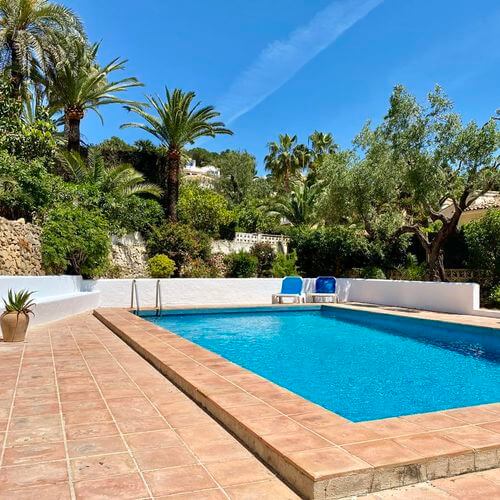
One of the things we love most about Moraira is its location. You can spend one day relaxing beside your private swimming pool and the next exploring the beaches, harbour and historic streets of Calpe. And after a wonderful day out? There’s something rather special about returning to the peace and privacy of your own holiday villa.
At Moraira Holiday Homes, we’ve been helping guests find comfortable and luxury holiday accommodation in Moraira and the Benissa Costa since 2004. We live locally, know our properties personally and are always happy to share our favourite places to visit.
Looking for a lovely base from which to explore the Costa Blanca?
Explore our holiday villas and apartments in Moraira.
More Beautiful Day Trips from Moraira
Besides Calpe, we’d also recommend discovering the whitewashed streets of Altea, the historic harbour town of Dénia and the lively beaches of Benidorm.
Discover more day trips and excursions from Moraira.
Frequently Asked Questions About Calpe
What Are the Best Things to Do in Calpe?
The most popular attractions include the Peñón de Ifach, Calpe Old Town, Arenal-Bol and La Fossa beaches, the traditional fishing harbour and the flamingos at Las Salinas. Baños de la Reina and Ricardo Bofill’s unusual architecture are also worth discovering.
Is Calpe Worth Visiting from Moraira?
Absolutely! Calpe offers a lovely combination of sandy beaches, Spanish history, beautiful coastal scenery and excellent restaurants. It’s also only a short drive from Moraira, making it an ideal destination for a morning, afternoon or full-day trip.
Can You Climb the Peñón de Ifach?
Yes, but access to the official hiking route requires a reservation. The first section is relatively manageable for walkers, while the route beyond the tunnel is steep, rocky and considerably more demanding. It is not suitable for inexperienced walkers or young children. Always check the current park regulations before visiting.
Which Are the Best Beaches in Calpe?
Playa Arenal-Bol and Playa de la Fossa are Calpe’s two best-known sandy beaches. Both have attractive promenades with restaurants and cafés. Arenal-Bol is convenient for the town centre, while La Fossa offers wonderful views of the Peñón de Ifach. Calpe also has smaller rocky coves that are popular for snorkelling.
Can You See Flamingos in Calpe?
Yes! Flamingos can regularly be seen at Las Salinas de Calpe, a saltwater lagoon close to the Peñón de Ifach. The number of birds varies depending on the season and conditions. It’s an interesting place to stop for birdwatching during your visit.
How Far Is Calpe from Moraira?
Calpe is approximately 25 to 35 minutes from Moraira by car, depending on traffic and your destination. The coastal road through Benissa Costa is particularly attractive, with beautiful Mediterranean views along the way.
Is Calpe Suitable for Families with Children?
Yes, Calpe is a lovely family destination. The sandy beaches of Arenal-Bol and La Fossa are popular with families, while the promenades, fishing harbour and flamingos at Las Salinas offer plenty of variety. The challenging upper section of the Peñón de Ifach hiking route is not suitable for a normal family walk.
Can You Explore Calpe in One Day?
Yes, Calpe is ideal for a day trip from Moraira. You can combine the Peñón de Ifach, fishing harbour, Las Salinas, a relaxed lunch and a visit to the Old Town. If you’d also like to climb the Ifach or spend several hours at the beach, allow additional time or plan a second visit.