Things to Do in Valencia
Discover Valencia’s historic centre, stunning architecture and Mediterranean lifestyle
A beautiful Old Town, colourful food markets, futuristic architecture and delicious Spanish paella. Valencia is one of Spain’s most fascinating cities and a wonderful day trip from Moraira! What makes Valencia so special is the contrast between old and new. One moment you’re wandering through narrow historic streets, and the next you’re admiring the extraordinary buildings of the City of Arts and Sciences. Add a beautiful city park, lively neighbourhoods and sandy Mediterranean beaches, and there’s something here for almost everyone. We’ve enjoyed exploring Valencia ourselves and love how different it feels from the smaller coastal towns around Moraira.
Here are seven of our favourite things to do in Valencia, together with some practical tips for planning your visit.
1. Explore Valencia Old Town | History Around Every Corner
The historic centre, known as Ciutat Vella, is the perfect place to begin your visit. Here, narrow streets lead to beautiful squares, historic buildings, charming shops and inviting café terraces. Two places you shouldn’t miss are Plaza de la Virgen and Plaza de la Reina. Between these squares stands Valencia Cathedral, with its famous bell tower, El Miguelete. If you’re feeling energetic, climb the 207 steps to the top for wonderful views over the city.
We also love wandering through El Carmen, one of the oldest neighbourhoods in Valencia. You’ll find colourful street art, interesting architecture and plenty of little places to stop for a coffee.
Our tip: don’t rush around the Old Town with a long checklist. Some of Valencia’s loveliest discoveries are hidden in the smaller streets.
2. Mercado Central and La Lonja | Two Must-See Attractions
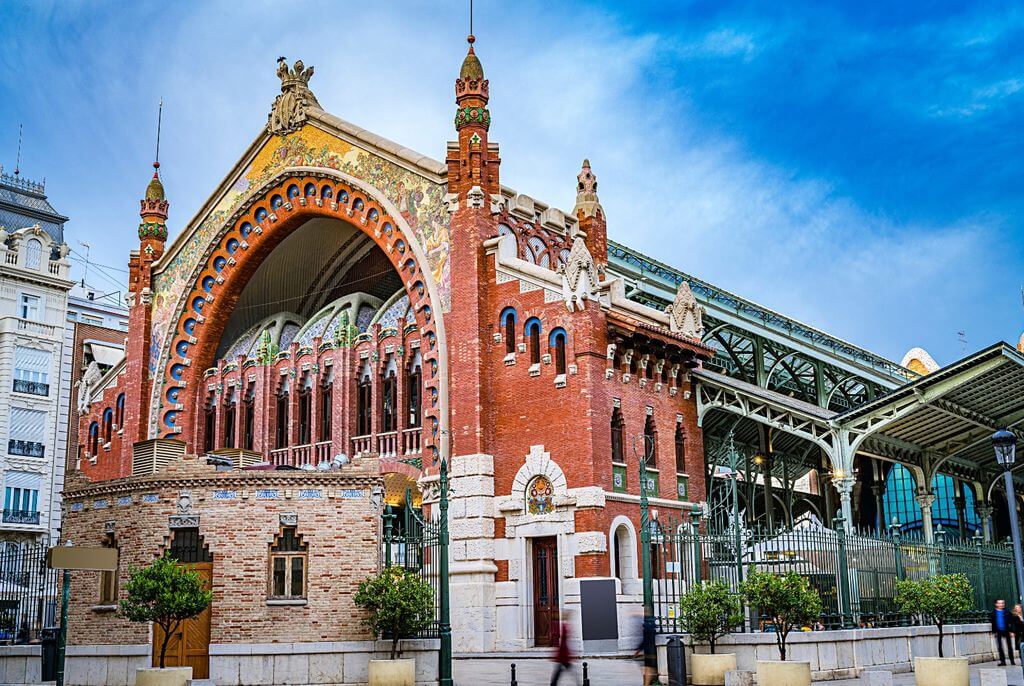
If you enjoy discovering local food, make sure you visit Mercado Central, Valencia’s famous covered market. The building itself is beautiful, with colourful tiles, ironwork and impressive architecture. Inside, you’ll find stalls selling fresh fruit, vegetables, seafood, meat, spices and traditional Valencian products. It’s a wonderful place to experience everyday Spanish life. The market normally opens Monday to Saturday, from 7.30 am until 3 pm, and closes on Sundays and public holidays.
La Lonja de la Seda | Valencia’s Historic Silk Exchange
Directly opposite the market stands La Lonja de la Seda, one of Valencia’s most impressive historic buildings. Built during the city’s prosperous trading period, this beautiful Gothic building is especially famous for its magnificent hall with twisted stone columns. La Lonja has been a UNESCO World Heritage Site since 1996.
Our tip: visit the market and La Lonja together in the morning. They’re right beside each other and make a wonderful introduction to Valencia.
3. Turia Gardens | A Beautiful Green Park Through the City
Running through the heart of Valencia is the remarkable Jardín del Turia. This enormous park follows the former course of the River Turia, which was diverted after serious flooding. Today, the old riverbed has become approximately nine kilometres of gardens, walking paths, cycle routes and recreational areas. It’s one of the loveliest features of the city. You can walk beneath historic bridges, relax under the trees or hire a bicycle and discover Valencia at your own pace. The city is relatively flat, making cycling particularly enjoyable.
Our personal tip: exploring Valencia by bicycle is a fantastic experience. You can travel from the historic centre through the Turia Gardens towards the City of Arts and Sciences without constantly dealing with busy city traffic.
Read our guide to cycling in Valencia.
4. City of Arts and Sciences | Valencia’s Futuristic Landmark
The City of Arts and Sciences, or Ciutat de les Arts i les Ciències, is one of Valencia’s most recognisable attractions. Designed by architects including Santiago Calatrava, this extraordinary complex looks almost like something from a science-fiction film. Its white buildings, sweeping curves and enormous reflecting pools create a spectacular setting. There are several attractions to discover:
- Oceanogràfic | a huge aquarium with marine environments from around the world.
- Museu de les Ciències | an interactive science museum, particularly interesting for families.
- Hemisfèric | an extraordinary eye-shaped building with an immersive cinema.
- L’Umbracle | a landscaped walkway with beautiful views of the surrounding architecture.
Even if you don’t visit the museums, it’s worth coming just to admire the buildings.
Our tip: if you plan to visit Oceanogràfic or several attractions, allow plenty of time. You could easily spend most of the day here.
Check opening hours and tickets on the official City of Arts and Sciences website.
5. Ruzafa | Valencia’s Creative and Lively Neighbourhood
Just outside the historic centre lies Ruzafa, also known as Russafa. This fashionable neighbourhood has a completely different atmosphere from Valencia’s historic squares and monuments. You’ll find independent shops, colourful streets, interesting restaurants, cafés and plenty of welcoming terraces. We particularly enjoy the mixture of traditional Spanish life and Valencia’s more modern, creative side. The Mercado de Ruzafa is also worth visiting. It’s a traditional neighbourhood market where local residents shop for fresh produce.
Our tip: Ruzafa is a lovely place for a leisurely lunch or an afternoon drink. Simply wander through the streets and choose somewhere that catches your eye.
6. Valencia’s Beaches and Marina | City Life Meets the Mediterranean
One of the wonderful things about Valencia is that you can combine sightseeing with a visit to the beach. The city has several beautiful sandy beaches, with long promenades and plenty of restaurants.
Malvarrosa Beach
Playa de la Malvarrosa is one of Valencia’s best-known beaches. With its wide sandy shoreline and lively promenade, it’s a lovely place for a walk or a relaxing afternoon beside the sea.
Cabanyal and Las Arenas
Next to Malvarrosa lies Playa del Cabanyal, also commonly known as Las Arenas. This area is particularly popular for its beachfront restaurants and traditional rice dishes. Nearby, you’ll also find El Cabanyal, a historic fishing neighbourhood with colourful tiled houses and a distinctive local character.
Valencia Marina
Just beyond the beach lies La Marina de València, with sailing boats, waterfront restaurants and attractive places to stop for a drink. It’s particularly enjoyable towards the end of the afternoon.
Our tip: if you’ve already explored the main city attractions, spend your next visit discovering the beaches, marina and traditional coastal neighbourhoods.
7. Enjoy Authentic Paella in Valencia
Of course, we can’t talk about Valencia without mentioning paella! Valencia is the birthplace of this world-famous Spanish rice dish. But visitors are sometimes surprised to discover that traditional Paella Valenciana isn’t usually made with seafood. The classic version normally includes rice, chicken, rabbit, green beans and other local ingredients. Seafood paella is also popular, but it’s a different rice dish. There are plenty of restaurants around Valencia where you can enjoy a delicious paella or another traditional rice speciality.
Our personal tip: take your time over lunch. In Spain, paella is traditionally enjoyed as a lunchtime meal rather than a quick evening dinner.
Discover Albufera | The Home of Valencian Rice
If you’re particularly interested in food and local traditions, we’d recommend visiting L’Albufera Natural Park, just south of Valencia. This beautiful wetland landscape is filled with rice fields, canals and a large lagoon. The nearby village of El Palmar is especially well known for its traditional rice restaurants. You can even combine a paella lunch with a relaxing boat trip across the lagoon. It’s a wonderful excursion, although we’d save it for a separate visit rather than trying to see all of Valencia on the same day.
Discover our guide to Valencian rice and paella in Albufera.
And if you’d like to try something else that’s typically Valencian, there’s also the famous Agua de Valencia cocktail.
Discover the story behind Agua de Valencia.
Visiting Valencia During Las Fallas
If you’re visiting the Costa Blanca in March, Valencia’s famous Las Fallas festival is a remarkable experience. Throughout the city, enormous artistic monuments appear in the streets, often featuring humour, satire and extraordinary craftsmanship. The celebrations include music, processions, fireworks and lively street parties. The main festival takes place from 15 to 19 March, with the monuments ceremonially burned during La Cremà on 19 March. Las Fallas has been recognised by UNESCO as Intangible Cultural Heritage.
Our tip: the atmosphere is unforgettable, but expect large crowds, road closures and plenty of noise. If you prefer a quieter introduction to Valencia, choose another time of year.
Discover a Different Side of Valencia
Already explored Valencia’s most famous attractions? There’s so much more to experience. Discover the city by bicycle with a local guide, learn to cook traditional paella, explore the rice fields of Albufera or enjoy a wine tasting in the surrounding countryside.
We’ve selected five unique experiences in Valencia that offer a different perspective on this wonderful Spanish city.
Visiting Valencia from Moraira | Getting There and Parking
Valencia is approximately 120 kilometres from Moraira. Driving usually takes around 1 hour 20 minutes to 1 hour 45 minutes, depending on traffic and where you park. For us, it’s definitely worth allowing a full day.
Where Is the Best Place to Park in Valencia?
We’d recommend leaving your car in a central car park and exploring the main attractions on foot, by bike or using public transport. Two convenient options for the historic centre are:
- Parking Plaza de Brujas | close to Mercado Central and La Lonja.
- Parking Plaza de la Reina | near the Cathedral and historic squares.
Alternatively, you could use a Park & Metro facility outside the busiest part of the city. Check the latest parking charges, opening times and any access restrictions before travelling.
Read the official Visit Valencia information about driving and parking.
Our Favourite Way to Spend One Day in Valencia
Valencia is a large city, so we wouldn’t try to see everything in one visit. Here’s how we’d plan a first day.
Morning | explore the historic centre, visit Mercado Central and admire the beautiful La Lonja.
Lunchtime | enjoy a relaxed Spanish lunch, perhaps in the Old Town or Ruzafa.
Afternoon | take a walk or cycle through the Turia Gardens towards the City of Arts and Sciences.
If you’d rather spend time beside the sea, save the museums for another day and head towards Malvarrosa and the marina instead. That way, you’ll experience the different sides of Valencia without spending the day rushing from one attraction to another.
Looking for Something Different?
If you’ve visited Valencia before, there are still plenty of experiences worth discovering. How about a guided cycling tour, a paella cooking class or a boat trip through Albufera?
Explore our five unexpected experiences in and around Valencia.
Discover Valencia During Your Holiday in Moraira
One of the things we love about Moraira is how easy it is to combine a relaxing Mediterranean holiday with exciting day trips. One day you’re enjoying the beaches, restaurants and peaceful atmosphere of Moraira. The next, you’re wandering through the historic streets of Valencia, discovering fascinating architecture and enjoying some of Spain’s finest food. And after a wonderful day in the city? There’s something rather special about returning to the comfort and privacy of your own holiday villa.
At Moraira Holiday Homes, we’ve been helping guests find beautiful holiday accommodation in Moraira and the Benissa Costa since 2004. We live locally, know our properties personally and love sharing our favourite places to visit.
Looking for a comfortable base from which to explore this beautiful part of Spain?
Explore our holiday villas and apartments in Moraira.
More Beautiful Day Trips from Moraira
Besides Valencia, we’d also recommend exploring Alicante, Altea and Dénia.
Discover more day trips and excursions from Moraira.
Frequently Asked Questions About Valencia
What Are the Best Things to Do in Valencia?
The main attractions include Valencia Cathedral, Mercado Central, La Lonja de la Seda, Turia Gardens and the City of Arts and Sciences. Ruzafa, the beautiful beaches and the marina are also worth discovering. For food lovers, enjoying authentic Valencian paella is an essential part of the experience.
Is Valencia Worth Visiting from Moraira?
Absolutely! Valencia offers a completely different experience from Moraira, with historic architecture, museums, excellent shopping, beautiful parks and wonderful restaurants. It’s one of our favourite full-day excursions from the northern Costa Blanca.
How Long Does It Take to Drive from Moraira to Valencia?
Valencia is approximately 120 kilometres from Moraira. The journey normally takes around 1 hour 20 minutes to 1 hour 45 minutes, depending on traffic and your destination within the city. We’d recommend leaving early to make the most of your day.
Can You Explore Valencia in One Day?
Yes, although you’ll need to choose which attractions to visit. For a first trip, we’d recommend the historic centre, Mercado Central, Turia Gardens and the City of Arts and Sciences. If you want to visit Oceanogràfic or several museums, allow more time.
Is Valencia Suitable for Families with Children?
Yes! Valencia is an excellent destination for families. Children often enjoy Oceanogràfic, the interactive Science Museum and the playgrounds in Turia Gardens. The city’s wide sandy beaches are also popular with families.
Does Valencia Have Beautiful Beaches?
Yes, Valencia has several sandy Mediterranean beaches. The best known include Malvarrosa and Cabanyal/Las Arenas, both with attractive promenades and plenty of restaurants. Patacona Beach, in neighbouring Alboraia, is another popular option.
When Is Las Fallas Festival in Valencia?
The main Las Fallas celebrations take place from 15 to 19 March each year, although events begin earlier in the month. The festival culminates on 19 March with La Cremà, when most of the large artistic monuments are burned. Expect a lively atmosphere, large crowds and road closures.