Costa Blanca in Spain
The beautiful Costa Blanca in Spain
Did you know that Costa Blanca owes its name to the English? When the BEA airline started flights between London and Valencia, the pilots only saw white beaches from the air. As a result, this part of Spain soon became known as Costa Blanca (white coast). When commerce eventually also settled on this 244 kilometre long coastal region, Costa Blanca also turned out to be a useful name from a commercial point of view and so it was retained. As a result, the Costa Blanca has grown into what it is today since 1957.
Kilometres of sandy beach on the Costa Blanca
As mentioned, the Costa Blanca is 244 kilometres long and starts at the coastal village of Dénia and ends at the coastal village of Pilar de la Horadada. With more than 70 beaches, the Costa Blanca is an excellent destination to enjoy the coast. There are many seaside resorts to choose from. However, in addition to the kilometres of white sandy beaches, the Costa Blanca has much more to offer. The Costa Blanca also has steep cliffs such as those at Moraira and Benissa, but also mountains such as those at Javea and what about the salt flats at Torrevieja? In short, a great deal of variety and there is actually something for everyone.
It is not without reason that the Costa Blanca has 4 nature parks, each offering their own variety.
El Montgó
This is a mountain with a height of 753 metres. This mountain connects 3 places with each other; Jávea, Dénia and Ondara. In 1987, the mountain with an area of approximately 2000 hectares was declared a nature park. The nature park has two walking routes, namely:
Route Les Planes | This route is approximately 4.5 kilometres long and takes approximately 2 hours. The route passes, among other things, the lighthouse, ¨mirador dels molins¨ and offers a panoramic view over the bay of Jávea.
Route del ¨Cabo de San Antonio¨| is about 2 kilometers long and takes about 1 hour. This route goes along ¨Cala de Tangó¨ and offers a fantastic view of the cliffs.
El Marjal Oliva-Pego
This nature park is located in the municipalities of Pego and Oliva. The wetland is more than 1200 hectares in size and is surrounded by rice fields. Especially when the rice fields are in bloom, this is a beautiful area to walk or drive through. You really feel like you are in Asia. The marshy land also provides a variety of flora and fauna that is unique to this region.
Peñon de Ifach
The blog ¨Climbing the mountain of Calpe¨ was written about this mountain.
Lagunas de la Mata & Torrevieja
Both lagunas (Spanish word for beach lakes) are salt lakes. For centuries, salt production has been the main source of income for Torrevieja. The lagoon of Torrevieja is still in use today. The salt lake of la Mata is no longer in use. The salt content in both lakes provides for a special flora and fauna. For example, you will find around 3000 flamingos and around 2000 great crested grebes here. This is a beautiful sight and many bird lovers come here to see this and take unique photos.
Do not forget the town of Elche. There are many date palms here. This is not a nature park, but it is certainly worth a visit. It is easily accessible from Moraira.
The Costa Blanca also has a lot to offer underwater.
Two areas stand out in this respect, namely ¨La Granadella¨ in Javea and ¨Peñon de Ifach¨ in Calpe.
Let’s start with ¨La Granadella¨. This beach can be found in the coastal village of Jávea, which is located next to Moraira. As soon as you walk onto the beach you fall in love. The first thought that comes to mind is; is this really Spain? You would sooner think that you are in Bali or something like that. But underwater it is even more spectacular. Here the white sand on the bottom and the many sea grass provide an enormous variety of underwater life. For example, you have a great chance of seeing octopuses here, but a stingray can also come into view. And what do you think of moray eels or an octopus?
At the foot of the ¨Peñón de Ifach¨ you will find another type of underwater life. You definitely need some diving experience to be able to dive here. The bottom here is rocky with many coves where a rich underwater life can be seen. Here you can see the largest octopuses and the sea anemones are also well represented here.
Spotting dolphins or whales?
And another tip: If you rent a boat in the winter months and sail along the coast of the Costa Blanca, you have a great chance of seeing whales and dolphins. Every year we read in the newspapers several times that large groups of dolphins are observed.
Rent a holiday villa on the Costa Blanca?
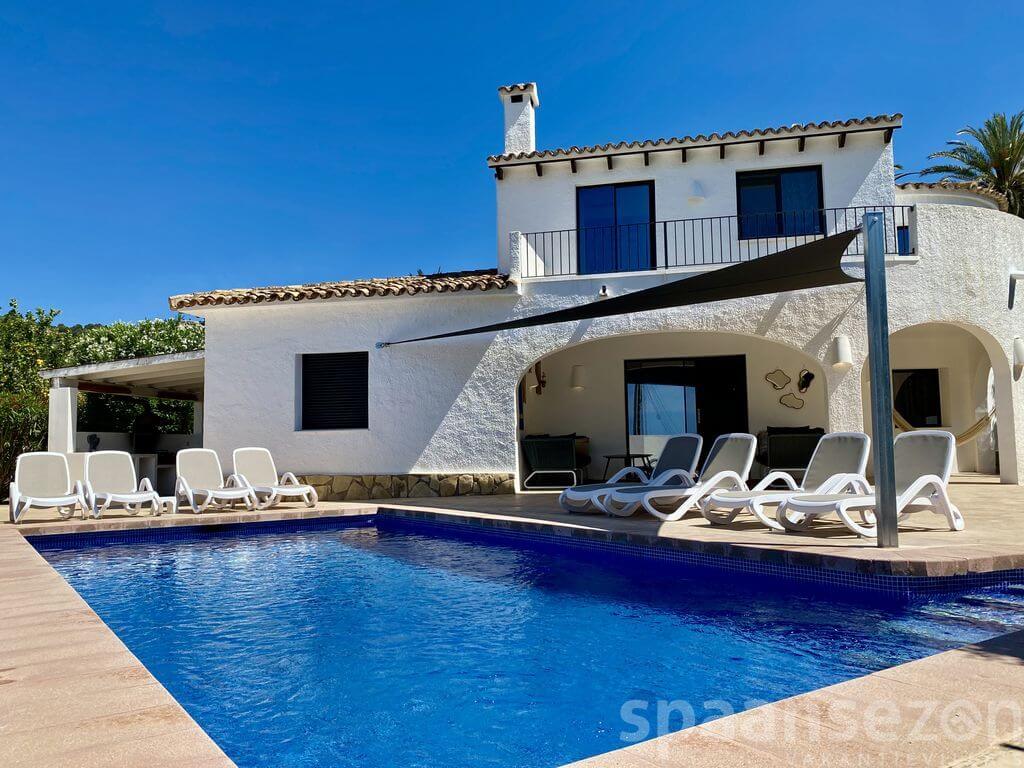
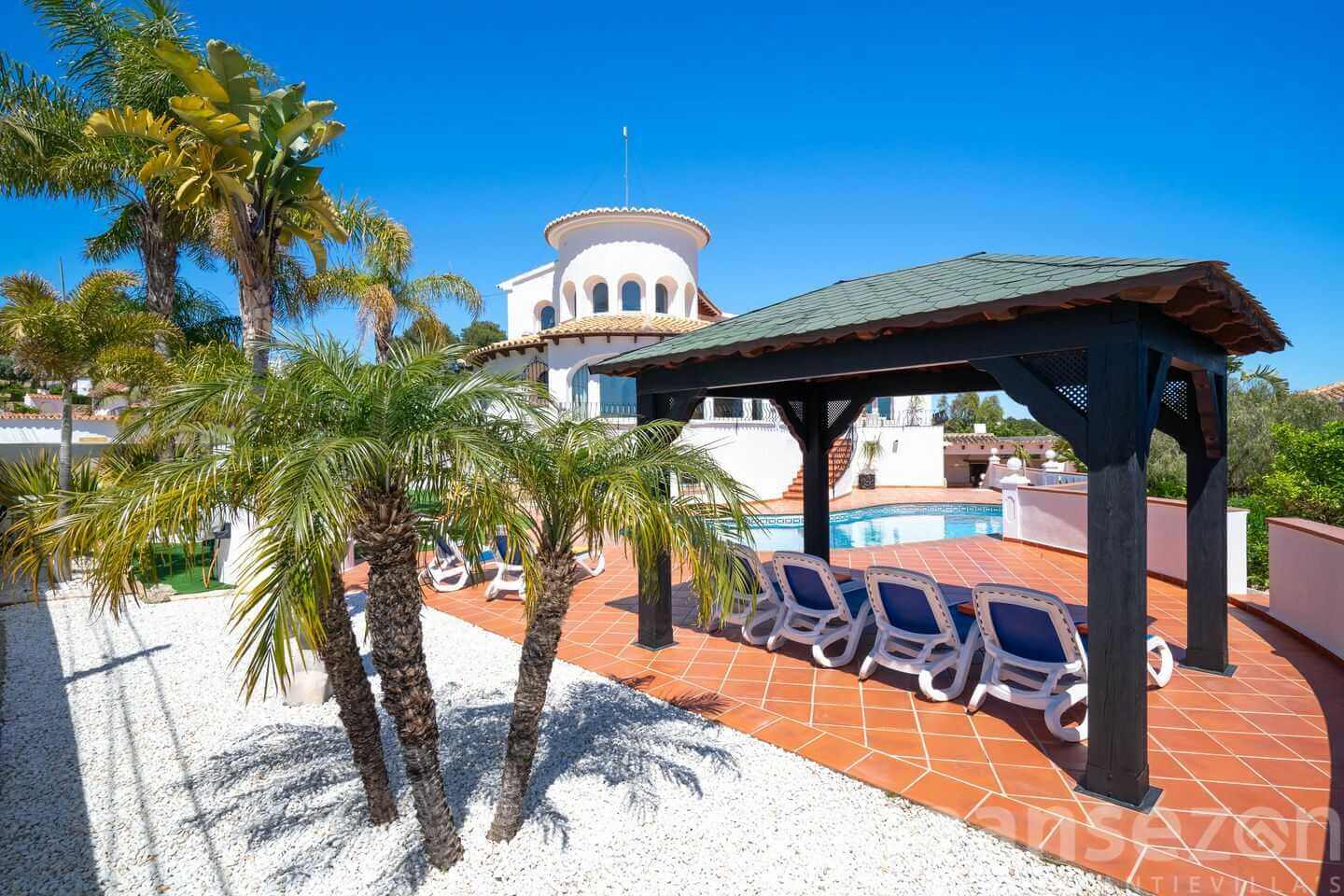
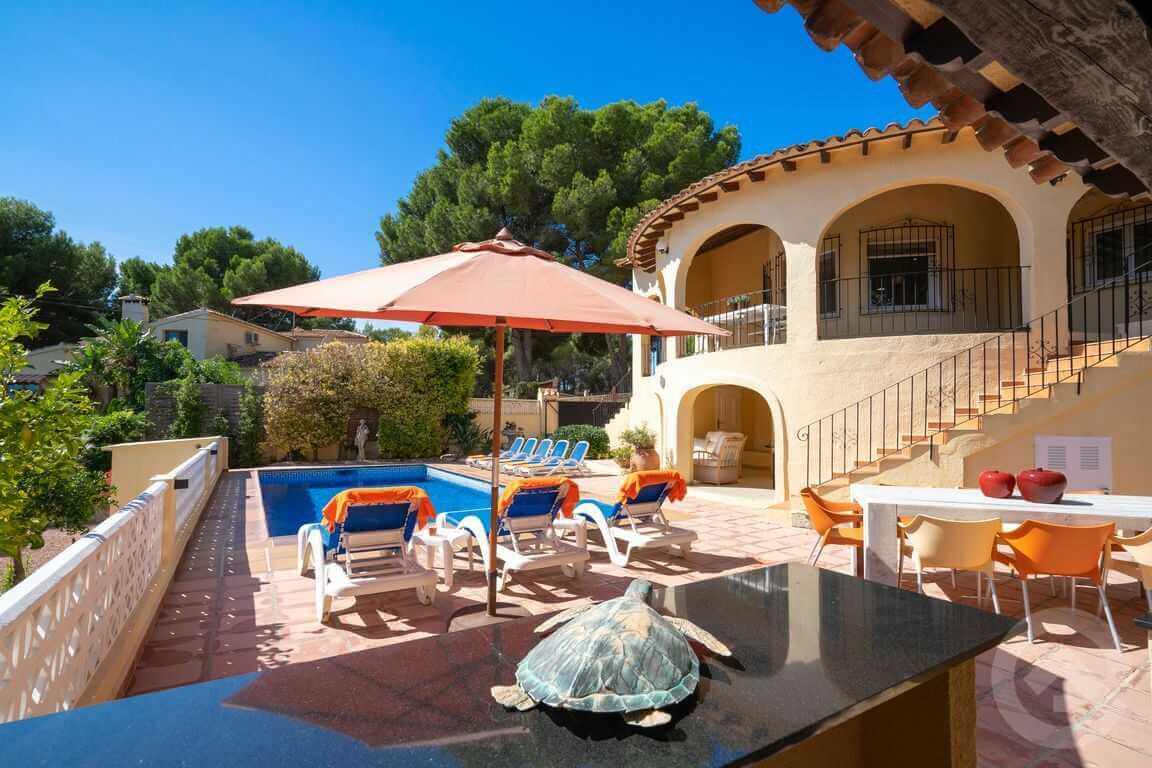
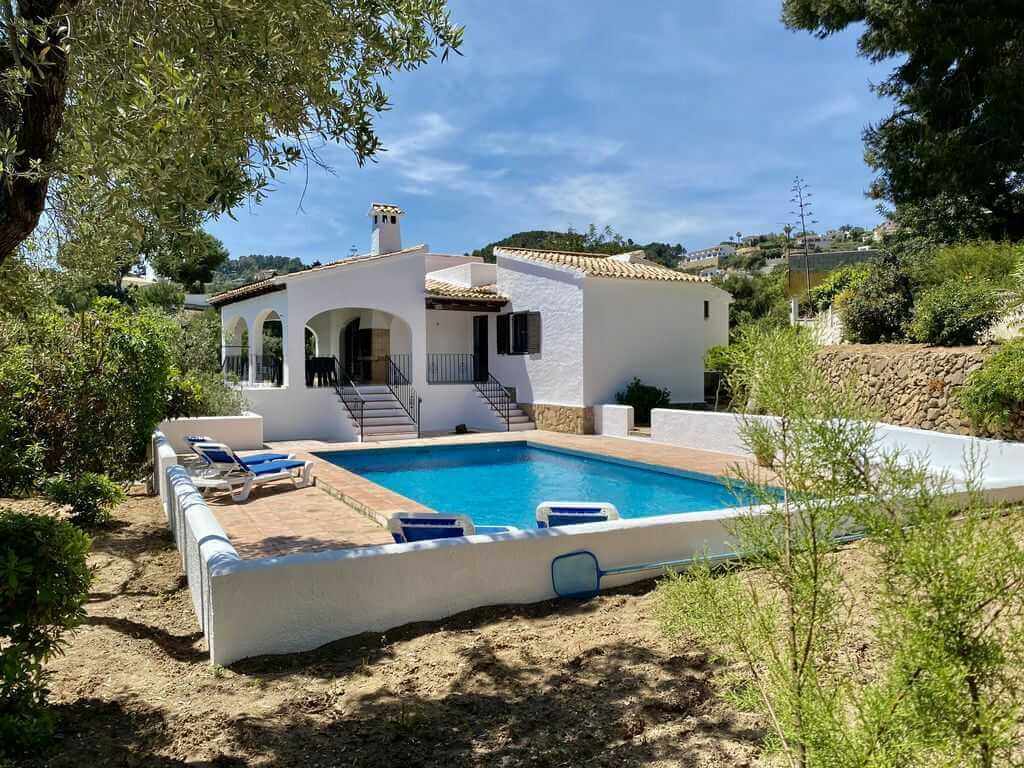
Do you also want to discover the Costa Blanca? Moraira Holiday Homes has the ideal base for this. In Moraira on the Costa Blanca we rent out several holiday villas, but also holiday homes and holiday apartments. Feel free to contact us via the contact form or Whatsapp.
Frequently Asked Questions about Costa Blanca in Spain
Are there natural parks on the Costa Blanca?
Yes, there are 4 large natural parks on the Costa Blanca.
How do you rent a holiday villa on the Costa Blanca?
For example via Moraira Holiday Homes. They have been renting out holiday villas, holiday homes, holiday homes and holiday apartments on the Costa Blanca since 2004.
Are there sandy beaches on the Costa Blanca?
The Costa Blanca has a total of 244 kilometres of coastline. The large beaches of Benidorm are the most famous. They are wide, long and only made of fine sand. It is the same in the coastal town of Olivia. In Benissa, for example, you have many small bays with fine sand or pebbles.