The Spanish Fan (Abanico)
A Touch of Romance in Moraira
Take a stroll through Moraira on a warm summer’s day and you’ll probably spot a few colourful Spanish fans, traditionally known as abanicos. Whether you’re enjoying a drink on a sunny terrace, attending a local festival or simply relaxing in the shade, a few gentle movements of an abanico can provide a welcome breeze. But did you know that the traditional Spanish fan was once much more than a practical way to keep cool?
There’s even a romantic story about a secret language of fans!
What Is a Spanish Abanico?
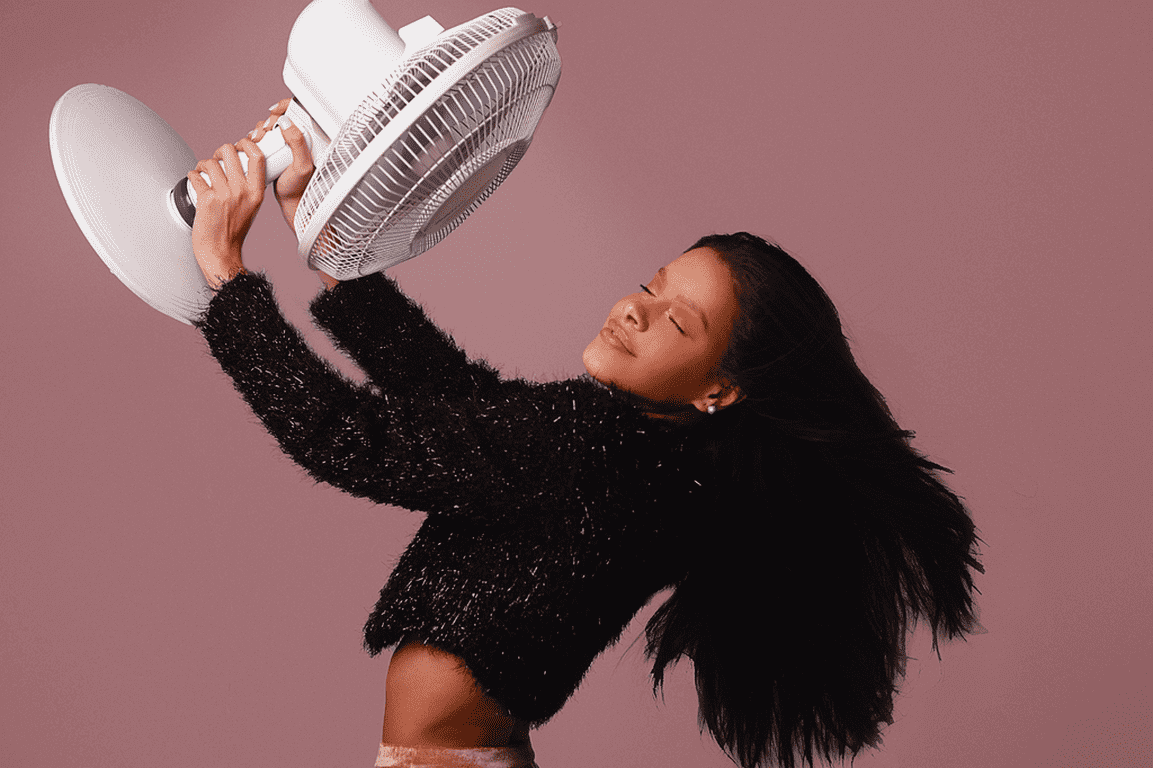
An abanico is a traditional folding hand fan, usually made with delicate ribs of wood or another material, covered with fabric or paper. Spanish fans come in countless colours, patterns and designs, from simple everyday accessories to beautifully painted decorative pieces. For centuries, fans have played a role in Spanish fashion and culture. They were once associated with elegance and social status, particularly among wealthier women. Today, they’re still a charming and practical accessory during the hot Spanish summer. And let’s face it, a colourful Spanish fan has rather more character than a portable electric fan!
The Secret Language of the Spanish Fan
Perhaps the most entertaining story surrounding the abanico is the so-called language of the fan. According to romantic tradition, women once used particular movements of their fans to communicate discreet messages, especially when openly flirting wasn’t considered appropriate. Some of the gestures traditionally associated with fan language include:
- I love you | moving the fan towards your heart.
- Kiss me | touching your lips with a half-open fan.
- Wait for me | opening the fan fully.
- Don’t forget me | holding an open fan behind your head.
But here’s the interesting part: historians haven’t established that these gestures were universally recognised or widely used. The language of the fan is best understood as a romantic tradition, popularised through stories and historical accounts. Still, it’s a rather lovely idea!
So, if you see someone enthusiastically waving a fan on a terrace in Moraira, don’t jump to conclusions. They might simply be feeling the heat!
Where Can You Buy a Spanish Fan in Moraira?
During the summer months, you’ll often find Spanish fans in souvenir shops and accessory stores around Moraira’s town centre. You may also come across colourful abanicos at the weekly Friday market, although the selection varies between stalls and seasons. A traditional Spanish fan makes a lovely holiday souvenir. It’s lightweight, takes up hardly any suitcase space and might even come in handy during an unexpectedly hot British summer!
If you enjoy browsing local stalls, take a look at our guide to the markets in Moraira and along the Costa Blanca.
A Little Piece of Spanish Summer
For us, the abanico is one of those small details that make summer in Moraira so special. It’s part of the same relaxed Mediterranean atmosphere as long evenings outdoors, colourful summer clothes and leisurely meals on a terrace. And it’s often these little traditions that create the best holiday memories.
Fancy discovering more about the town? Explore our 10 favourite things to do in Moraira.
Or, if you’re dreaming of enjoying the Spanish summer for yourself, browse our holiday villas in Moraira and discover your perfect place to stay.
Frequently Asked Questions About the Spanish Fan
What is a traditional Spanish fan called?
A traditional Spanish folding fan is called an abanico. It’s used to create a cooling breeze and is also a popular decorative and fashion accessory.
What does the Spanish fan language mean?
The so-called language of the fan is a collection of gestures said to communicate romantic messages. For example, touching your lips with a half-open fan was traditionally associated with asking for a kiss.
Was the secret language of fans real?
Fans certainly played a role in fashion and social interaction. However, there’s limited historical evidence that all the supposed romantic gestures formed a widely recognised communication system. Today, the fan language is mainly enjoyed as a romantic tradition.
Where did Spanish fans originally come from?
Folding fans have a long history in Asia and were introduced to Europe centuries ago. In Spain, the abanico developed into an important fashion accessory and a recognisable symbol of traditional culture.
Do people in Spain still use hand fans?
Yes. Traditional hand fans are still used during hot weather, local celebrations and cultural events. They remain both practical and stylish.
Where can I buy a Spanish fan in Moraira?
During spring and summer, Spanish fans are often available in souvenir and accessory shops around Moraira. You may also find them at the Friday market, depending on the seasonal selection.