Spanish Siesta
Why Spain Slows Down in the Afternoon
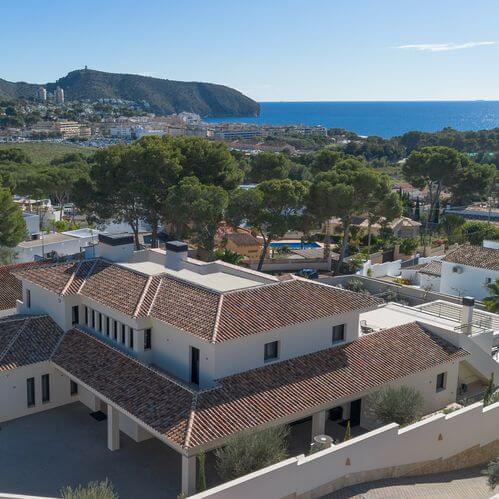
Imagine a warm summer afternoon in Moraira. You’ve just enjoyed a leisurely lunch on a sunny terrace, the Mediterranean is sparkling in the distance and the town seems to be slowing down. A few small shops close their doors, the streets become a little quieter and people retreat from the afternoon heat.
Welcome to the famous Spanish siesta!
For many British holidaymakers, this traditional Spanish custom takes a little getting used to. Why do some shops close in the middle of the day? Does everyone really have an afternoon nap? And where did the idea of the siesta come from?
We’ve been living in Moraira for many years, and there’s something we can tell you: the Spanish siesta is one of the country’s most talked-about traditions, but there’s more to it than simply having a little sleep after lunch. Let’s explain!
What Exactly Is a Spanish Siesta?
Traditionally, a siesta is a period of rest after lunch, usually during the warmest part of the day. In Spain, lunch has historically been an important part of daily life. Rather than rushing through a sandwich at their desks, many people have been accustomed to enjoying a proper meal and taking a longer midday break. But here’s something that might surprise you. A siesta doesn’t necessarily mean going to sleep!
Some people return home for lunch with their families, others take a short rest, and many Spaniards simply continue working throughout the afternoon. Modern working patterns have changed considerably, especially in larger cities and tourist destinations. However, the idea behind the siesta remains rather appealing: when the day is at its hottest, why not slow down for a little while? And when you’re on holiday on the Costa Blanca, that sounds like a pretty good idea to us!
Where Does the Spanish Siesta Come From?
The word siesta has its roots in ancient Roman times. The Romans divided daylight into twelve hours, beginning at sunrise. The sixth hour, known as sexta hora, fell around midday, when the sun was high in the sky. Over time, this expression developed into the Spanish word siesta. In warm Mediterranean regions, taking a break during the hottest hours was also a practical necessity.
For agricultural workers and others doing physically demanding work outdoors, resting in the shade during the middle of the day made perfect sense. Over the centuries, the siesta became closely associated with Spanish culture. Although modern lifestyles have changed, the tradition of taking a longer midday break can still be seen in many parts of Spain.
Do Shops in Moraira Still Close for Siesta?
If you spend a holiday in Moraira, you’ll probably notice that some smaller shops close for a few hours during the afternoon. This is particularly common among independent shops, specialist retailers and family-run businesses. Some close around 2 pm and reopen later, often around 5 pm. But Moraira is also a popular holiday destination, and plenty of businesses remain open throughout the day. Restaurants and cafés are often busy serving lunch, while larger supermarkets generally have extended opening hours.
Our local tip: if you’re planning to visit a particular small shop, check its opening hours beforehand. That way, you won’t find yourself standing outside a closed door in the afternoon sunshine.
And if you need to do your grocery shopping, our guide to supermarkets in Moraira will help you find the most convenient options.
Why the Siesta Fits So Well with the Spanish Lifestyle
One of the things we love about the Spanish approach to life is that not everything has to happen in a hurry. A long lunch isn’t simply about eating. It’s also a chance to spend time with family, catch up with friends or just enjoy a moment away from work. During the summer, when temperatures can be particularly high, the middle of the afternoon is often a good time to stay somewhere cool and comfortable. Then, as the sun begins to lose some of its strength, the streets and terraces come back to life. You’ll notice this in Moraira, particularly during July and August.
The town can feel quieter during the hottest hours, but later in the evening the restaurants fill up, families stroll along the seafront and people gather on terraces to enjoy the warm Mediterranean nights. It’s a different rhythm from what many of us are used to in Northern Europe. And once you’ve settled into it, it’s surprisingly easy to enjoy. Curious about Spanish mealtimes? Read our blog about Spanish eating habits and why dinner is served so late.
Is Having a Siesta Actually Good for You?
A short afternoon nap can be surprisingly refreshing. For many people, a rest of around 20 to 30 minutes can help reduce tiredness and improve alertness. But sleeping longer isn’t necessarily better. A lengthy afternoon nap may leave you feeling groggy when you wake up, and sleeping too late in the day can sometimes interfere with your night’s sleep. Fancy trying a proper siesta during your holiday? Here are three simple tips:
- Find a cool, quiet place, perhaps a comfortable bedroom with the shutters closed.
- Keep your nap short, ideally around 20 to 30 minutes.
- Give yourself a few moments to wake up properly before getting on with your day.
And if you don’t actually fall asleep? That’s absolutely fine too. Sometimes simply relaxing with a good book or closing your eyes for a little while is just what you need.
The Perfect Siesta? At Your Own Holiday Villa in Moraira!
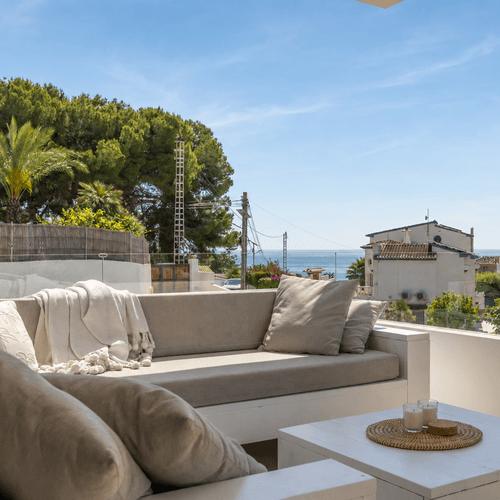
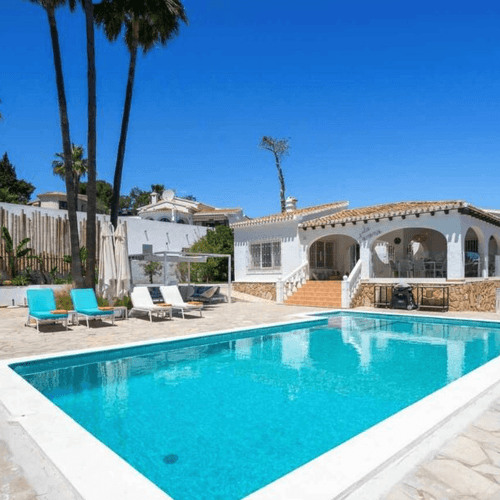
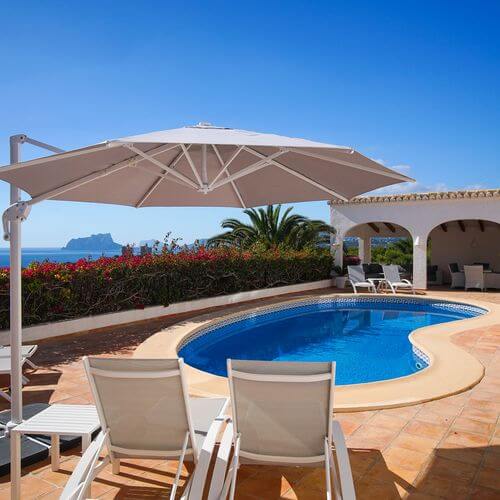
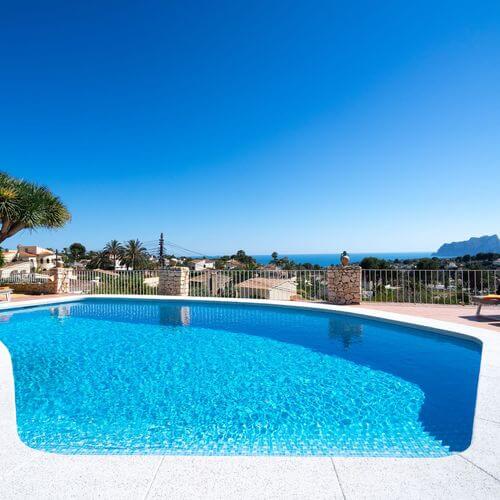
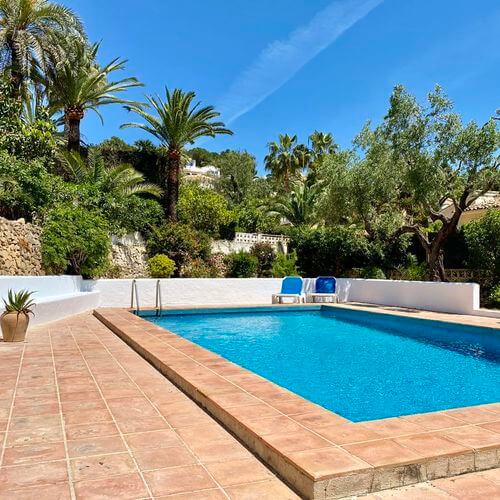
For us, one of the greatest pleasures of a holiday is having absolutely nothing you need to do. Imagine you’ve enjoyed a wonderful lunch, perhaps accompanied by a glass of Spanish wine, and the afternoon sunshine is warming the terrace. You find a comfortable sun lounger beneath the covered veranda, pick up your favourite book and settle down beside your own private swimming pool. A gentle breeze moves through the Mediterranean garden. There might be birds singing in the trees, or perhaps the soft sound of water from the swimming pool. And before you know it, your eyes are beginning to close.
Now that’s our idea of the perfect Spanish siesta!
At Moraira Holiday Homes, we offer a carefully selected collection of comfortable and luxury villas in Moraira and the Benissa Costa. Many feature spacious terraces, shaded lounge areas, beautiful gardens and private swimming pools. Everything you need to enjoy the relaxed Mediterranean lifestyle. Whether you prefer exploring the Costa Blanca or simply spending a peaceful afternoon beside the pool, you can enjoy your holiday entirely at your own pace.
Discover More About the Spanish Way of Life
Of course, the siesta is just one of Spain’s many fascinating traditions. Long family lunches, traditional paella, colourful local festivals and lively summer evenings are all part of everyday life on the Costa Blanca. One of the most spectacular local celebrations is the Moros y Cristianos festival, which brings music, parades and centuries of history to the streets of Moraira. It’s another lovely example of how important traditions and community life are in this part of Spain. And perhaps that’s what we enjoy most about living in Moraira. There’s always something interesting to discover, but there are also plenty of opportunities to simply slow down and enjoy the moment.
Fancy experiencing the Spanish lifestyle for yourself?
Explore our holiday villas in Moraira with private swimming pools and discover how wonderful it can be to spend an afternoon doing absolutely nothing.
Frequently Asked Questions About the Spanish Siesta
What is a Spanish siesta?
A Spanish siesta is traditionally a period of rest following the midday meal, often during the hottest hours of the day. The custom developed partly because taking a break from physical work in warm weather was practical. Today, a siesta doesn’t necessarily involve sleeping. For many people, it’s simply an extended lunch break or an opportunity to relax.
What time is siesta in Spain?
Traditional midday breaks often take place between approximately 2 pm and 5 pm. Some smaller shops close during these hours and reopen later in the afternoon. However, there is no official nationwide siesta time when everyone stops working. Opening hours vary depending on the business, location and season.
Are all shops in Moraira closed during siesta?
No. Although some independent shops and family-run businesses close for a few hours in the afternoon, many supermarkets, restaurants and cafés remain open. Moraira is a popular tourist destination, so plenty of businesses offer extended opening hours, particularly during the summer months. It’s always worth checking the opening times of individual shops.
Do Spanish people still take a siesta every day?
Not necessarily. Although the siesta remains a well-known part of Spanish culture, many Spaniards don’t take a daily afternoon nap. Modern working schedules often make this impractical. Some people enjoy a longer lunch break, while others work throughout the afternoon. The tradition is therefore less widespread than many visitors imagine.
Is taking a siesta good for your health?
A short afternoon nap of around 20 to 30 minutes may help reduce tiredness and improve alertness. Longer naps can sometimes leave you feeling groggy, while sleeping late in the afternoon may affect your night’s sleep. The benefits depend on your individual sleep habits and how well you sleep at night.
Where does the word siesta come from?
The word siesta comes from the Latin expression sexta hora, meaning the sixth hour. The Romans counted daylight hours from sunrise, so the sixth hour fell around midday. In warmer regions, this was a practical time to take a break from work and rest during the hottest part of the day.
Can I enjoy a traditional siesta during my holiday in Moraira?
Absolutely! A holiday villa with a shaded terrace, comfortable lounge area or peaceful Mediterranean garden provides the perfect setting for a relaxing afternoon. Moraira Holiday Homes offers various properties with private swimming pools and attractive outdoor spaces, allowing you to enjoy your holiday at your own pace.